

The book
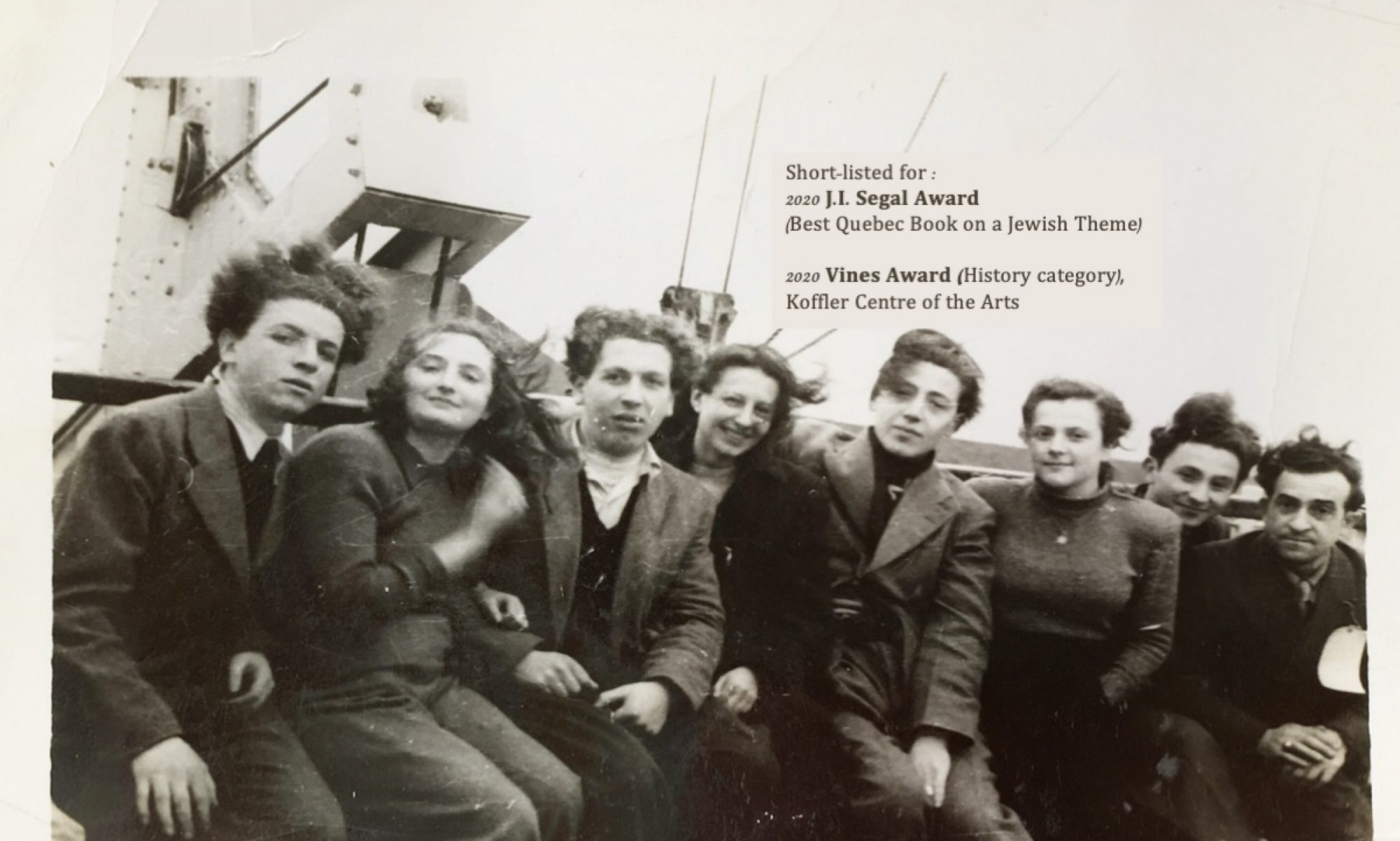
Based on ethnographic research of Holocaust, survivors who settled in Montréal post World War II, The Montréal Shtetl is an examination of displacement migration and resettlement. The arrival of tens of thousands of Jewish refugees was palpable in the streets of Montréal and their impact on the existing Jewish community is well-recognized. This book presents a portrait of the daily struggles of Holocaust survivors who settled in Montréal, where they encountered difficulties with work, language, culture, health care, and a Jewish community that was not always welcoming to survivors.
The book is organized into three parts: Uprooting; Unpacking; and Making Home. In each part of the book, there are a number of narrations. Some of the interviewees’ narrations span all three parts of the book, while others are in only one or two. In Part 1, Uprooting, the narratives focus on the survivors’ lives before, during and after the war years, culminating in their arrival in Montreal. The narratives in Part 2, Unpacking, reflect the dailiness of rebuilding lives. Making Home, Part 3, is an exploration of the nonmaterial aspects of settling and addresses questions of identity, integration, assimilation, regional politics and belonging. Finally, in the book’s conclusion, Loose Threads, we reflect on how institutional supports, gender, and community relationships shaped the survivors’ settlement experiences, and we discuss the relevance of this story to modern day state policies on refugee immigration.
 The Montreal Shtetl